
Imagine trying to sell winter coats in Miami or surfboards in Alaska. Doesn’t make much sense, right? That’s because what works in one place.. might totally flop in another.
And that’s when geographic segmentation comes to the rescue.
Geographic segmentation is when marketers divide their audience based on location. Things like country, region, city, or even climate. It helps brands tailor their products, ads, and promotions to fit the needs and lifestyles of people in specific places.
For example, a coffee chain might promote hot lattes in cold regions and iced drinks in tropical ones. Same brand, same product category, just smartly adjusted to suit where the customer lives.
And here’s the best part: it’s one of the easiest segmentation strategies to use, yet it delivers some of the biggest payoffs. By the end of this guide, you’ll see exactly how marketers use geographic segmentation to connect with the right people, in the right places, at the right time.
Why does location matter so much?
People in different places live different lives. Obviously. But brands that don’t adjust their messaging forget this all the time.
Climate affects what people buy.
Culture affects what people expect.
Density affects how people shop.
Region affects trends and timing.
So when your marketing feels hyper-relevant to the customer’s environment, it instantly lands better. No guesswork. No mismatch. Just… right place, right message.
Here’s how brands usually segment:
- Country or region: Global brands often create unique versions of their products for different markets.
- City or population density: Urban shoppers may prefer quick, convenient solutions, while rural audiences often value durability and practicality.
- Climate and weather: Think of how sunscreen sells in California while snow boots dominate in Colorado.
- Language or cultural region: Local culture and language shape how people connect with a brand: from packaging to tone.
When brands actually get it right (real-world wins)
Before we dive into the how-to, it helps to see what this looks like in action. These brands didn’t just guess what their audiences wanted. They paid attention to where their customers lived, what the weather was like, and how people behaved in those places and then shaped their marketing around that. Here’s how geographic segmentation looks when it’s done well:
McDonald’s:
In India, they lean into local tastes with spicy veggie burgers and chicken alternatives. In the U.S., the focus shifts to classics like Big Macs and sausage muffins because that’s what sells. They keep the brand familiar, but the menu feels made for the people living there.
Starbucks:
Cities with long rainy seasons get promotions for warm, cozy drinks that match the mood. Meanwhile, sunny places get cold brews, iced lattes, and Frappuccinos pushed to the front. Instead of fighting the climate, Starbucks uses it to guide what people might crave.
Coca-Cola:
Coca-Cola doesn’t just sell soda; it sells moments. The brand tailors its campaigns to match local traditions, weather, and culture. In tropical regions, you’ll see more ads around cool refreshment and outdoor fun. In colder places, they highlight cozy, festive vibes like those classic holiday truck ads. This kind of local alignment keeps Coca-Cola feeling relevant all year long.
Nike:
Nike knows that inspiration looks different around the world. Instead of using the same ad everywhere, the company features local athletes and sports icons that people actually know. Whether it’s a high school runner in Oregon or a soccer star in Brazil, Nike taps into community pride to create campaigns that hit closer to home, literally.
Domino’s:
Domino’s is a master of menu localization. The toppings, sides, and even spice levels change from one country to another. You’ll find paneer and tikka pizzas in India, shrimp toppings in Japan, and loaded pepperoni in the U.S. Same brand, same logo, but a flavor strategy that speaks to every region’s taste buds.
In the end, these brands all prove one thing: geographic segmentation isn’t just about where people live; it’s about understanding what matters to them there.
These aren’t complicated moves — they’re simple tweaks based on location. But they help global brands feel local, relatable, and genuinely tuned in to the people they’re speaking to.
How marketers apply it in real life
Knowing what geographic segmentation is is one thing. But the real magic happens when marketers actually use it in day-to-day campaigns.
From targeted ads to local product tweaks, here’s how brands put this strategy into action:
- Localized advertising: Platforms like Google Ads and Facebook Ads make it super easy to target people by city, state, or ZIP code. A pizza chain can run ads only within delivery range, while a local gym can promote special offers to nearby neighborhoods.
- Personalized email campaigns: Many brands adjust their newsletters or promo emails based on a user’s country or region. For instance, a clothing store might feature winter jackets for customers in Chicago and swimsuits for those in Miami.
- Retail and franchise adaptation: E-commerce sites often change what you see depending on where you are-showing local currency, nearby store options, or region-specific shipping info.
- Product development: Some brands go beyond marketing and actually create products tailored for specific regions. It’s not just localization-it’s customization at scale.
For example: Spotify curates playlists by country. You’ll find “Desi Hits” for India, “Latin Chill” in Brazil, and plenty more that match local music tastes and trends.
Geographic segmentation in action is all about meeting people where they are – literally. It turns data into experiences that feel personal, familiar, and local.
Tools and techniques for geographic segmentation
Alright, so you get the “what” and “why” of geographic segmentation-but how do marketers actually do it? Luckily, there are tons of tools that make this easy, even if you’re running a small business or a growing online store.
Here are some go-to tools and methods:
- Google Analytics: The location reports show exactly where your website visitors are coming from. Even a simple heat map can reveal your top-performing countries, states, or cities-helping you focus your marketing where it matters most.
- Facebook Audience Insights: Perfect for social ads. It lets you explore audience location data, see where engagement is strongest, and fine-tune your ad targeting by city or ZIP code.
- CRM Data: Customer databases often hold gold-things like billing and shipping addresses help you identify strong regions or cities where your product performs best.
- IP-Based Targeting Tools: These tools detect a user’s location automatically, so you can show personalized web content, offers, or currencies based on where they are.
- Surveys and Customer Data Platforms (CDPs): Surveys and CDPs let you gather extra insights about your audience’s location and preferences-straight from the source.
And here’s where tools like Icegram Express come in handy. If you’re running email marketing campaigns, you can segment your subscriber list by country, state, or city right inside Icegram Express. That means you can send targeted emails-like a Diwali sale for your Indian subscribers or a Black Friday offer for your U.S. audience – without breaking a sweat.
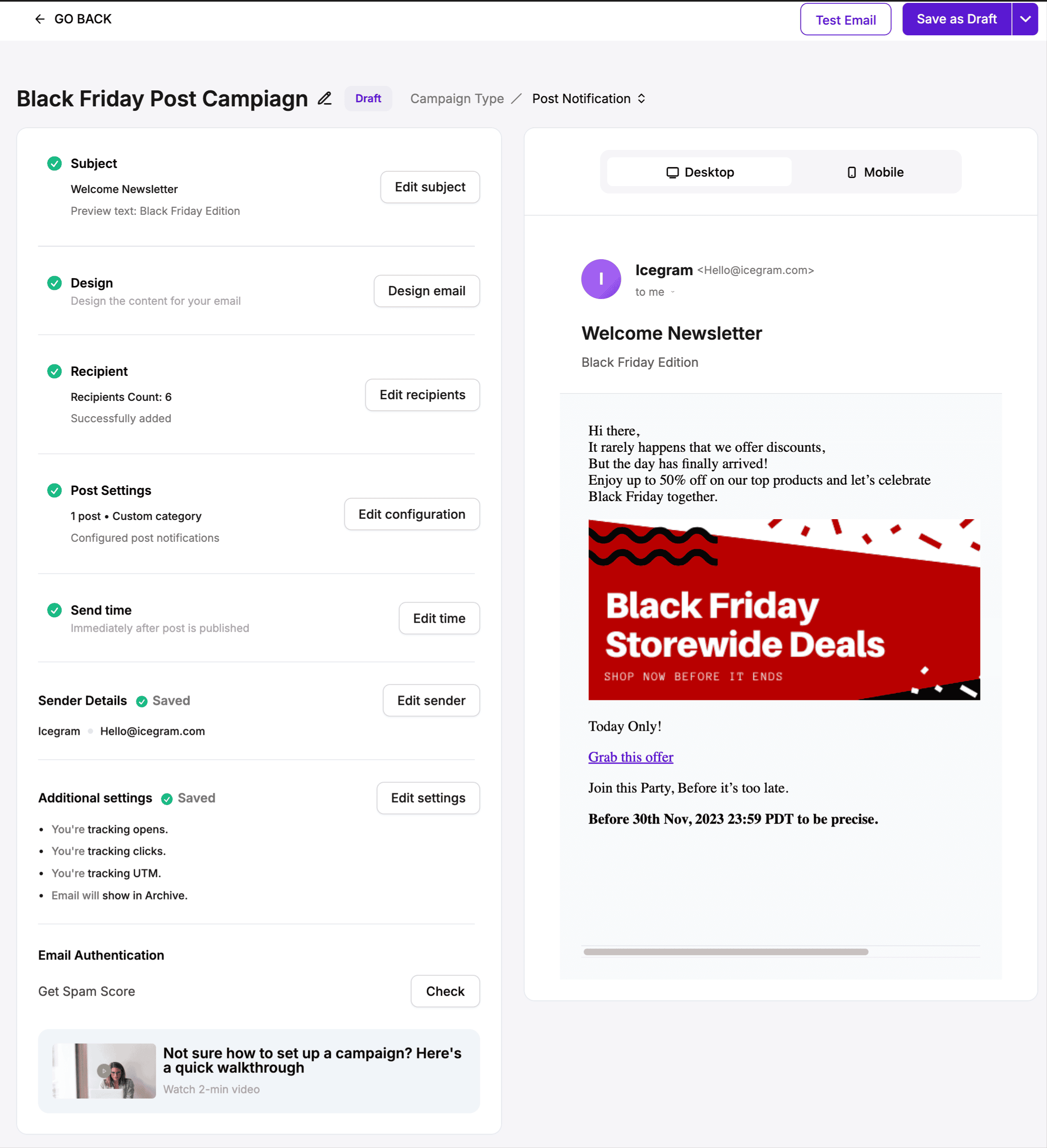
With a redefined and revamped Campaign Builder, Icegram Express is going to be an awesome teammate for all your geolocation marketing endeavors.
Here’s how you can create a simple, smooth, and stress-free campaign with Icegram Express:
1. Go to Icegram Express → Campaigns
2. Click New Campaign ( add name, subject etc)
3. Choose your template from the gallery by click on ‘Design email’
4. Design your email with the editor (Classic Editor / D&D Editor)
5. Add your recipients
6. Review settings like post selection or send schedule
7. Send or schedule your campaign
In short, this tool will take the guesswork out of “who’s where.” It will help you reach people with the right message, in the right place, at the right time.
Conclusion
Geographic segmentation isn’t just about location; it’s about understanding context. Where your audience lives shapes what they value, how they shop, and even how they connect with brands.
When you know where your audience is, you also know what they care about. That insight helps you create marketing that feels natural, personal, and relevant – instead of one-size-fits-all.
You don’t need a massive global campaign to get started. Begin small. Try targeting by city, climate, or region. Look at your analytics, test localized offers, or adjust your messaging for different areas. Even small steps can lead to smarter, more impactful marketing decisions.
Because in the end, knowing your customer’s “where” helps you truly understand their “why.”
FAQ
How is geographic segmentation different from demographic segmentation?
Geographic segmentation focuses on where customers are, while demographic segmentation looks at who they are — things like age, gender, or income. Most marketers use both together for better targeting.
Can small businesses use geographic segmentation too?
Definitely. You don’t need a huge budget. Even basic location data — like knowing which city most of your orders come from — can help you target smarter.
How can I start using geographic segmentation in my marketing?
Start small. Try adjusting your ads, emails, or offers by city or region. Then track your results to see which locations respond best.